
All Work and No Play Makes Jack...
Or Mental Wellness in the Creator Economy.

These past couple weekends saw big returns for two movies that came out of the “creator economy,” primarily the YouTube creator space. With the phenomenal success of Obsession and Backrooms, Hollywood legacy IP got a serious trouncing with these two low-budget horror films. What’s funny is that all over LinkedIn everyone is going on about how this is completely rewriting Hollywood etc. But this has happened before with movies like Blair Witch Project, Clerks, and Saw. Indie films have taken the box office by storm, launching careers and blowing traditional formulas out of the water. It’s about every 10-20 years there is a reset. It’s always audience-driven and often built off great word-of-mouth or guerrilla marketing campaigns. That said, there is a different word-of-mouth and discovery happening in the YouTube and social media space that is driving this “creator economy” into the traditional distribution models.
Everything always finds its way to a certain point of convergence, as I wrote about previously regarding the adult industry and the continuing crossover into mainstream entertainment. One of the biggest advantages of YouTube is the speed of deployment. Once the video is uploaded, it’s live and ready to be consumed. This is the power in the creator economy: instant audience connection. But it’s also where mental health and well-being begin to factor in with burnout. Before there was downtime between projects. TV writers would have time off once the season wrapped or filmmakers would have a work gap while still being able to collect their residuals from previous endeavors. The current creator economy is built on burnout…if you aren’t running at top speed, churning out “content” then you are going to be left behind. Everything is optics and even if your “content” is terrible but your numbers are high, you have a better chance at getting attention.
Mental health and wellness are going to be an even more critical component as the gig economy shifts even more drastically into this creator economy. Going from gig to gig was never an easy life, as we would wrap one show and collect unemployment while on hiatus or until the next opportunity came up. But there was a rhyme to the reason. As unpredictable as it could be with a show being canceled or the film funding falling through, there was an ecosystem that supported the structure. Now that ecosystem has become far more mercurial with the weight shifting to the creator and not the platform. In my opinion, this overall is a positive development as it speaks to the power of the audience and the fandom. It gives the artist the direct returns from the work that they put into the project. But creators need systems and support groups too, and when you’re pivoting after years of operating within one paradigm it becomes quite challenging to restructure without serious mental fatigue.
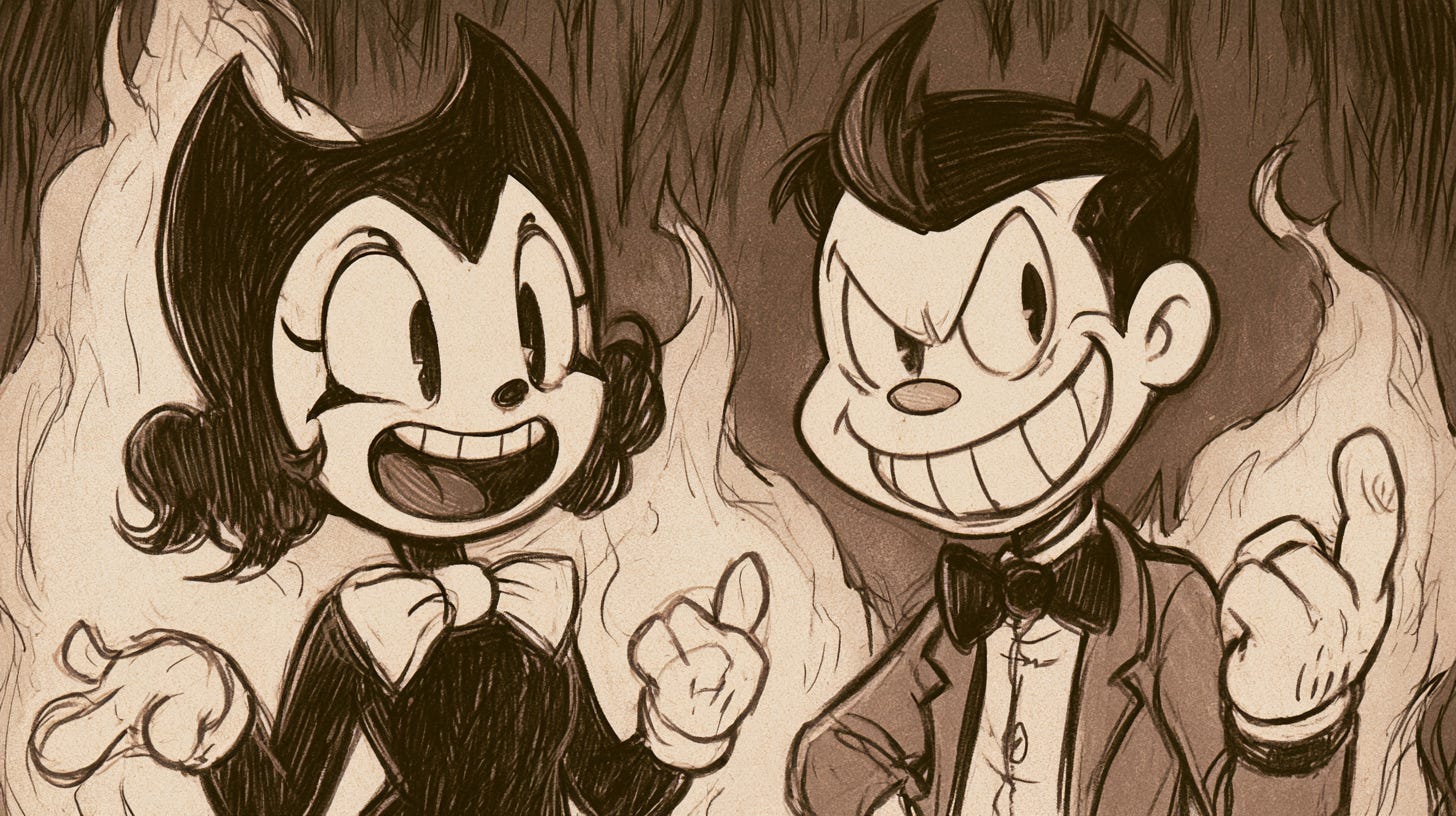
When “content creators” and “influencers” are constantly pushing a visual narrative for the social media optics of how amazing and fulfilling their lives are as they fly in private jets and wear fancy watches, what once was aspirational becomes mundane. Instead of being present in the moment, the moment must be preserved and shared for posterity. Memory no longer is fluid, but instead becomes fossilized within pixels and bits. Just as the dinosaurs left behind their bones so do we leave behind ours, except ours are buried in massive swaths of curated narratives told in data troves. This content creation deluge becomes overwhelming as it continues to assault the general audience and its niches until the fractionalization begins to die off, and the many become one again. It’s like in chess as you trade down your material until suddenly it’s only the king, several pawns, and if you’re lucky, a rook.
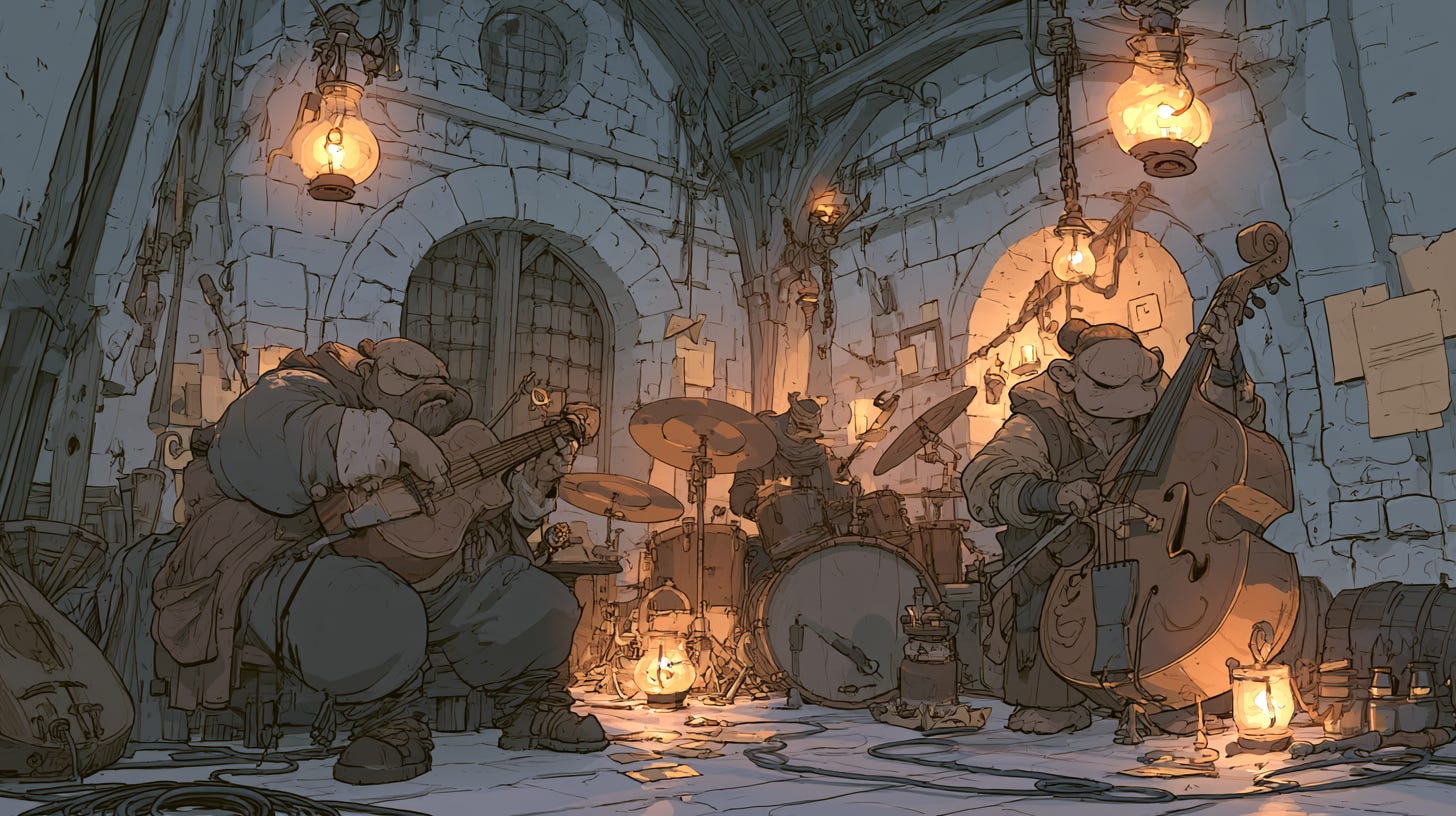
This morning I was thinking back to our weekly jams in LA when it was just the Thursday night hangout. There was something so raw and pure in the creative output, capturing a moment that never could be replicated exactly while not worrying about how it was going to appear on social media. This was 2015 and we just wanted to play. Consistency was the key and the feeling I got after having jammed with my friends was euphoric. Playing music, even if just hitting a tambourine or shaking an egg, is therapeutic and has always been a key factor in human mental health. Whether dancing and singing around a fire or playing songs in a tavern, the communal exchange through music has always allowed humans to connect and release. We need more of this. Real community is so key and to find people to just be human with is more important now than ever.
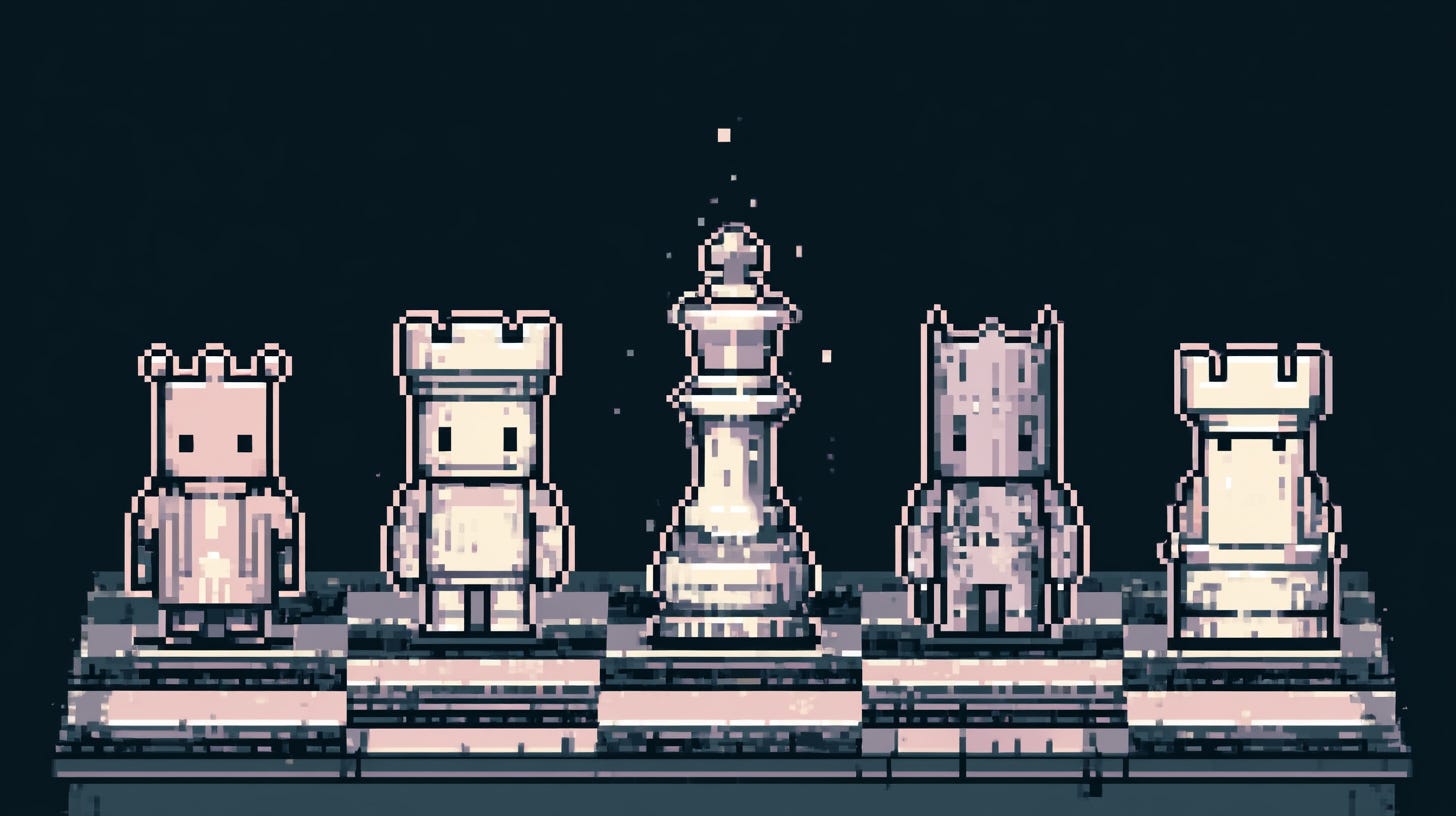
Speaking about community, I recently played (poorly) in a chess tournament in town and had a wonderful time losing both my games. It was quite invigorating as it was my first time in a chess tournament as well as playing with a clock on a physical board. I’ve played so many times on chess.com, but shifting from the digital to the IRL is an entirely unqiue experience. One middle game blunder and in both games I allowed a knight to fork me, causing me both times to lose a rook early in the game. With that imbalance, my entire strategy fell apart and next thing I knew I’m not even playing defense, just running my pieces away while desperately trying to make sure my king has an escape square. But it was such an enjoyable time playing the game while partaking in the company of others who love chess. If I’m not mistaken, every other entrant also had never played in a tournament which made it a first time experience for the entire group. There was something special to that too, making me feel a much deeper connection to the entire experience.
It’s these experiences that give our memory its elasticity. It’s where we build inspiration and core creativity that shapes real storytelling. In a world where everyone believes that their story must be told, it’s those who take the time to process, reflect, and chew on meaning within context that are more equipped to relate the human experience. It’s not necessary to push “content” to market everyday, as the ability to sustain meaning without burnout is quite low. As the past has shown us,“fame” is not success and quality has never been measured by quantity. In this era of “go go go,” we all need to take a collective breath (like we did during the pandemic) and recalibrate our human experience.
And here’s a fun video on how gaming has become enshittified…which also underlines the quality vs quantity conversation.
Get it. Got it. Good.